From Bruce Banner to Star Brand: Marvel’s Militant Nuclear Mutations

By Evan Henry

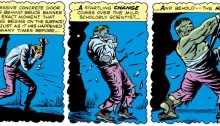
When the “Marvel Age of comics” dawned in the early 1960s, the era of the Cuban Missile Crisis and Tsar Bomba, many of the new slew of superheroes embodied a politicized mutagenic anxiety surrounding the very real possibility of nuclear conflict. Throughout the decade, Lee, Kirby, Ditko, Heck, and others illustrated a bewildering array of physical monstrosities and curiosities…

The Horror of Knowing: Catastrophe and Meaning in HBO’s ‘Chernobyl’

By Louis Bayman

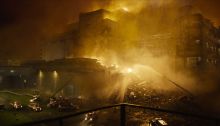
The five-part miniseries Chernobyl has become the popular television phenomenon of the year, and one of the most critically successful ever. Over thirty years since the explosion at the core of a nuclear reactor in 1986, the production has been praised for its fidelity both to the events around the disaster and to the look and feel of the Soviet 1980s. This has in turn prompted a backlash…

The Good, the Bad and the Living Dead: How the Zombie Apocalypse Replaced the Western

By Audrey Fox

Zombies have long stood as a cipher for a variety of fears that range from the AIDS crisis to environmental disasters to governmental malfeasance to the breakdown of the nuclear family. But the decision to focus on the post-apocalyptic element of these films, where humanity has been massively culled and civilization has ceased to function on a large scale, is particularly salient in a world that seems now more than ever on the brink of disaster…