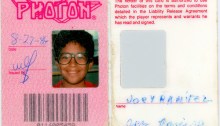
Photon Instructional Video, 1986

In 1984, an entertainment center was opened in the Dallas suburb of Garland that aimed to bring the futuristic imagery and technological thrills of space opera warfare into the real world: it was called Photon, a laser tag game in which two teams fought one another in a bloodless, computer-controlled simulation set in a multi-level arena filled with dry ice and lit by strobe lights…

Fiat “Handbuilt by Robots” Commercial, 1978

In the post-Star Wars era of 1978, robots—or “‘droids”—had ceased to be the ambiguous, threatening machines of yore. Now, they were cheerful helpmates for humanity who labored tirelessly (and free of cost) for the benefit of all. In a world suddenly obsessed with futuristic technologies, their appearance in an advertisement was sure to be noticed—especially by the younger members of any potential car-buying family…

Westminster Typeface, 1964/1965

Together with Bob Newman’s perhaps better known 1970 typeface Data 70, the Westminster typeface represented a significant shift in the intrusion of the digital world into the real one, and still remains a potent and evocative symbol of futurist aspirations and fears…

A Final Outrage: The Album Art of Blue Öyster Cult

By Richard McKenna

Despite the dispiriting fug of “classic rock” that hangs about their name—largely thanks to the persistence in popular culture of the song for which they are best known, the wonderful but largely unrepresentative “Don’t Fear the Reaper—Blue Öyster Cult began life as a high-concept countercultural proposition whose aim was to bring an underground literary and musical sensibility, as well as wit, to the dull, self-indulgent ceremonies of rock…

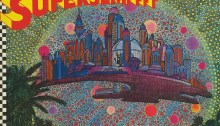
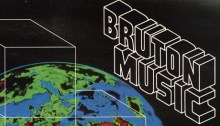
Soft Illusions: The Bruton Music Library, 1977 – 1989

Alongside the industrial manufacture of popular music which characterised the second half of the twentieth century, another type of music aimed at a smaller group of consumers and offering another perspective on the humours of its day was also being recorded: production music, also called library music, was instrumental music recorded to evoke a certain mood or tone and licensed for use in other media (for example as background, incidental or theme music)…

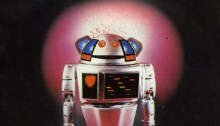
Metal Mickey, 1978 – 1983

After first appearing as a recurring character on British children’s TV show The Saturday Banana and scoring a hit record with his 1978 novelty cover of “Lollipop,” five-foot-tall remote-controlled robot Metal Mickey caught the eye of LWT producer Humphrey Barclay, who commissioned a self-titled spin-off series…

Quickshot Joysticks, 1982 – 1988

As sophisticated new electronic entertainments entered the lives of increasing numbers of people during the 1980s, sophisticated new interfaces were designed to utilize these entertainments—and capitalize on them—to their fullest potential. The joystick was invented originally to satisfy the need to control movement in three dimensions following the invention of the aircraft in the early 20th century…

Channel 4 Ident, 1982

By the early 1980s, the creation of a fourth British television channel had become a moot issue. In 1955, the license-fee-funded BBC1 had been joined by the commercial Independent Television network (ITV), legally identified as Channel 3, and in 1964, these two were joined by BBC2, the first European television channel to broadcast regularly in color…