Westminster Typeface, 1964/1965

Together with Bob Newman’s perhaps better known 1970 typeface Data 70, the Westminster typeface represented a significant shift in the intrusion of the digital world into the real one, and still remains a potent and evocative symbol of futurist aspirations and fears…

Soft Illusions: The Bruton Music Library, 1977 – 1989

Alongside the industrial manufacture of popular music which characterised the second half of the twentieth century, another type of music aimed at a smaller group of consumers and offering another perspective on the humours of its day was also being recorded: production music, also called library music, was instrumental music recorded to evoke a certain mood or tone and licensed for use in other media (for example as background, incidental or theme music)…

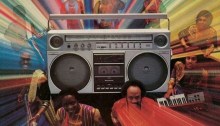
Earth, Wind & Fire Panasonic Boombox Commercials, 1980 – 1983

At the dawn of the 1980s, soul-funk-disco orchestra Earth, Wind & Fire (EWF) were at the top of their game. They’d just released their LP I Am (1979), which featured hit single “After The Love Has Gone,” and double-album Faces (1980). Both albums came close to hitting number 1 on the US pop charts and solidified the band’s already-solid reputation as reliable hit-makers…

“The Right of All Sentient Beings”: The Transformers (Generation One)

Christmas, 1984. It was a hell of a time to be a kid. We’d reveled in seven years of Star Wars and Star Wars toys, G.I. Joe: A Real American Hero (also Hasbro) and Mattel’s Masters of the Universe franchises launched in 1982, using Lucas’s simplistic moral universe as a backdrop, and then Hasbro struck again with these diecast shape-shifting robots yanked from Japanese company Takara…

Metal Mickey, 1978 – 1983

After first appearing as a recurring character on British children’s TV show The Saturday Banana and scoring a hit record with his 1978 novelty cover of “Lollipop,” five-foot-tall remote-controlled robot Metal Mickey caught the eye of LWT producer Humphrey Barclay, who commissioned a self-titled spin-off series…

George Plimpton Advertisements for Intellivision, 1980 – 1983

The intersection of literary gadfly George Plimpton (1927-2003) with the Mattel Intellivision video game console (introduced in 1980) seems a very strange fit on the surface. Plimpton acted as Intellivision’s pitchman throughout the early 1980s in a series of print and television advertisements, his stentorian tones touting Intellivision’s superiority to industry juggernaut Atari…